Dr. Jennifer Bradley Named UMO Professor of the Year
June 26, 2025
Contact: Rhonda Jessup, Director of Public Relations
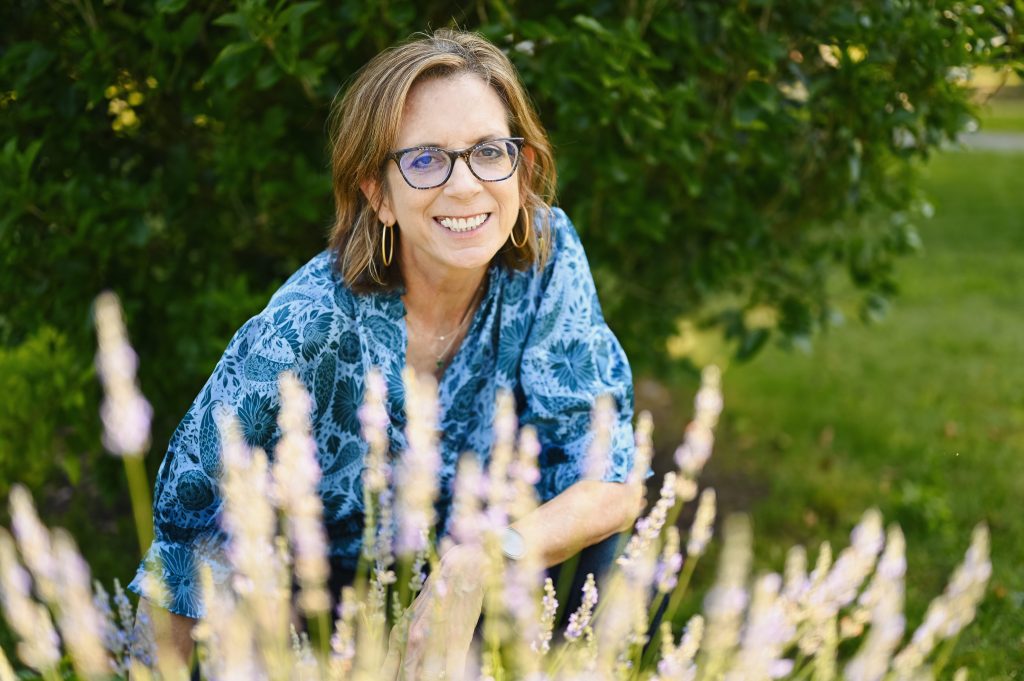
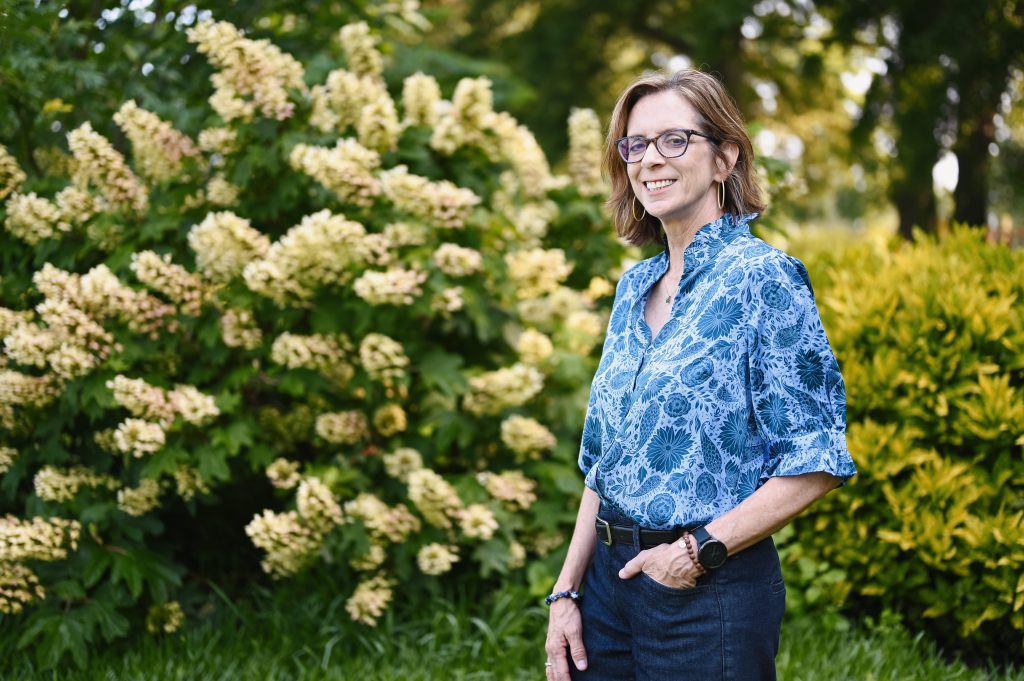
With roots in Texas and a passion for cultivating both plants and people, Dr. Jennifer Bradley has quickly become a standout educator at the University of Mount Olive. Since joining UMO in 2022 as an Associate Professor of Plant Science, Bradley has inspired students with her deep knowledge, hands-on teaching style, and commitment to preparing the next generation of agricultural leaders. Her dedication has not gone unnoticed—she was recently honored as the 2025 recipient of the prestigious Dr. Thomas R. Morris Award for Teaching Excellence.
Bradley brings a rich blend of academic expertise and real-world experience to the classroom. She teaches a wide range of courses, including Introduction to Horticulture, Floral Design, Greenhouse and Nursery Management, and more—while also serving as the internship coordinator for the School of Agriculture and Biological Sciences. A seasoned scholar with degrees from Tarleton State University and Texas A&M and previous faculty appointments at Texas A&M and the University of Florida, Bradley now calls Clinton, North Carolina, home. When she’s not mentoring students or managing plants, she enjoys tending her own garden and spending time with her husband, Dr. Michael Bradley, and their two sons, Eli and Silas.
Below Dr. Jennifer Bradley, the 2025 Dr. Thomas R. Morris Professor of the Year answers questions about her teaching style, agriculture, and outlook. To view an interview Dr. Bradley, visit http://vimeo.com/trojans/2025-Morris-Award.
What does being selected as the 2025 Dr. Thomas R. Morris Teacher of the Year mean to you personally and professionally?
Personally, it’s an honor to know that the work I pour into teaching resonates with my students. Professionally, it affirms my commitment to education and reinforces how vital teaching is to the mission of our university. It’s a reminder that meaningful work in the classroom truly matters.
What are your greatest strengths as an educator?
Compassion. Over the years, I’ve come to see students not just as learners, but as people navigating a formative time in life. Having two sons close in age to many of my students gives me added perspective. I try to meet students where they are—with patience, support, and kindness.
What do you enjoy most about teaching?
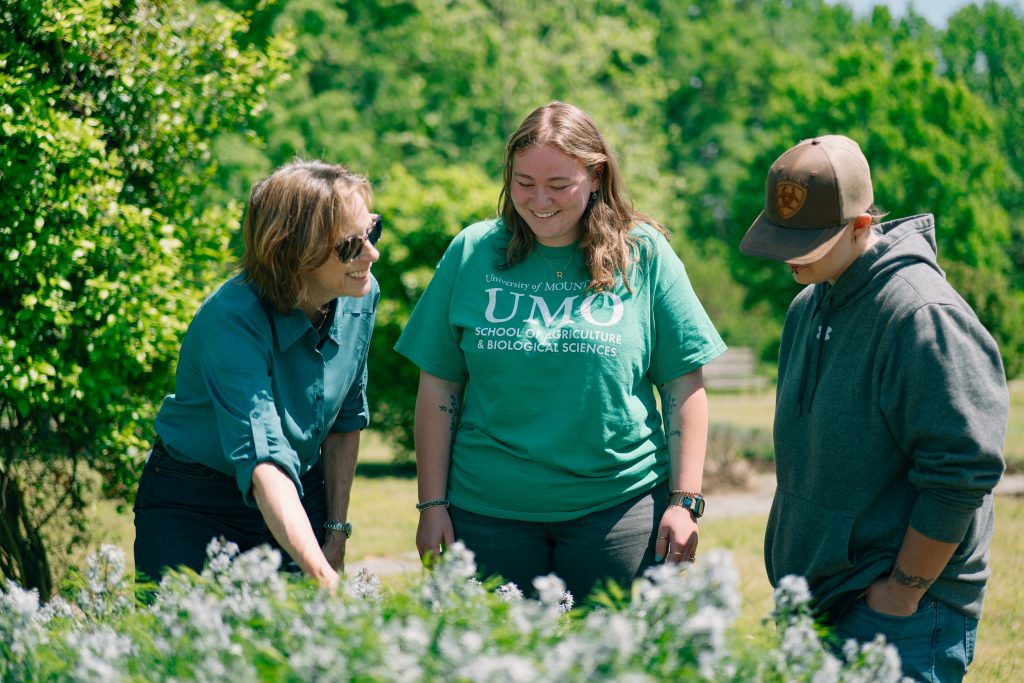
The students—hands down. I find real joy in spending time with them. Because many of my courses involve learning outside of the traditional classroom, I get to know them on a deeper level. Those unstructured moments often foster some of the best conversations and learning experiences. Plus, they’re simply fun to be around!
How would you describe your teaching philosophy or style, particularly in the context of plant science and agriculture education?
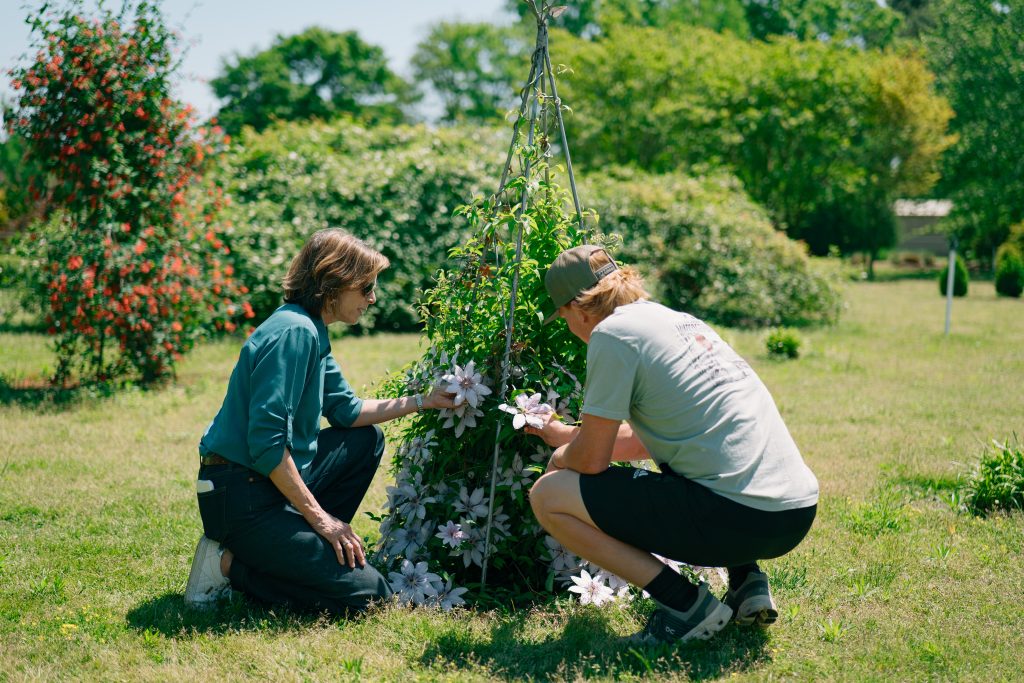
My teaching philosophy is grounded in experiential, hands-on learning. In plant science and agriculture, concepts become truly meaningful when students can actively engage with the material. Whether they’re getting their hands dirty in the arboretum, working on greenhouse projects, participating in plant walks, or creating floral designs, I aim to transform abstract ideas into tangible, memorable experiences. Even for students not pursuing agriculture careers, horticulture remains relevant. Most people interact with plants through gardening, landscaping, or houseplants. I aim to equip all students with practical, lifelong skills that connect them to the world around them.
You have been praised for your connections with students. What do you believe is the key to building strong relationships in the classroom and beyond?
Respect is at the heart of every strong student-teacher relationship. I strive to treat students with the same level of respect and consideration that anyone would hope to receive. When students feel valued and heard, it fosters trust and opens the door to meaningful engagement. This mutual respect helps create a supportive classroom community where students are encouraged to participate, take risks, and grow academically and personally.
Have you introduced any unique projects, labs, or experiential learning opportunities in your courses that you’re especially proud of?
Plant Identification is hands-down one of my favorite courses to teach. We spend a lot of time out and about on plant walks, learning to recognize landscape plants around campus and at the arboretum. But one lab that students really look forward to is what I like to call “Drive-by BINGO.” Toward the end of the semester, we all pile into a UMO van, BINGO cards in hand—with each square featuring plants from our identification list. As we cruise through Mount Olive, students call out the plants they recognize, racing to complete their cards. It turns into a lively competition, full of laughter and shouts of “BINGO!”—all while sharpening their plant ID skills. It’s a perfect mix of learning, teamwork, and just plain fun.
In what ways do you encourage students to pursue careers or advanced study in agriculture and plant science?
I regularly talk with students—both in class and through advising—about career paths and opportunities in agriculture. Our required internship program is a powerful way for students to gain experience and make industry connections. I collaborate with students to find placements that match their interests—many of which lead to full-time positions.
As the Plant Science Club advisor, I help facilitate leadership and outreach opportunities. This spring, I accompanied six students to Colorado State University for the National Collegiate Landscape Competition, which provided valuable exposure to diverse career paths. Experiences like these are key to inspiring and preparing future industry professionals.
What are your aspirations for the future of UMO’s Plant Science program?
I hope to see continued growth in student enrollment, industry partnerships, and course offerings. With UMO’s impressive arboretum, there’s great potential to expand our gardens and facilities to better serve future students. My goal is to help shape a program that’s academically strong and focused on preparing students for successful, rewarding careers in plant science.
What do you like about working at UMO?
The people. I’m fortunate to be surrounded by a supportive, passionate group of faculty in the School of Agriculture and Biological Sciences. The second floor of Raper Hall is full of energy, ideas, and a great sense of humor—it’s a wonderful place to be.
The University of Mount Olive is a private institution rooted in the liberal arts tradition with defining Christian values. The University was founded by the Convention of Original Free Will Baptists. For more information, visit www.umo.edu.